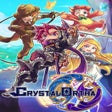
Compact retro RPG that blends puzzles with tactical turn-based combat
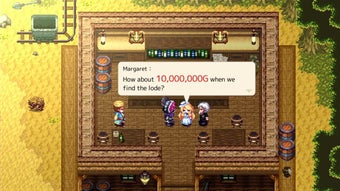
Compared with sprawling 90s JRPGs like Final Fantasy VI, Crystal Ortha, developed by Hit-Point Co., Ltd., condenses that sensibility into a PlayStation 5 puzzle-RPG focused on a four-character hunt for crystal energy. Players explore dungeons, solve environmental puzzles, and manage SP-driven, turn-based battles. The game pairs pixel art with fluid 8-direction animation, equipment crafting from discovered ores, and PS5 DualSense vibration. It targets fans of classic JRPGs seeking a shorter, more accessible adventure with tactical depth.
What kind of game is it?
This is a retro-inspired JRPG that combines a tactical turn-based combat loop with exploration and puzzle solving. Combat centers on SP and skill-slot management, so decision-making each turn matters for resource pacing. The core loop is: explore a dungeon, gather ores and materials, equip or craft items, then resolve tactical encounters with a four-member party. The design borrows from 16-bit and 32-bit era JRPG structure while trimming scope for a more focused run.
How do exploration and puzzles shape the adventure?
Dungeon navigation interleaves traditional corridors and tile-based maps with environmental puzzles that gate progression and hide rewards. Exploration yields materials and ores used in the equipment crafting system, which ties tangible rewards to puzzle completion. Hidden routes and puzzle solutions often lead to better crafting components, so players who inspect environments and revisit rooms gain practical advantages for later encounters.
What does the game look and sound like?
Visuals use retro pixel art updated with fluid eight-direction character animations, producing movement that reads smoother than many throwback titles. The soundtrack is high-energy and leans on chiptune textures to match the fantasy setting. In-battle boss conversations add story context and tactical hints, and on PlayStation 5 the DualSense controller supplies unique vibration that enhances contact and impact during key moments.
Is it hard to get started?
Progression follows conventional RPG rhythms: characters gain experience to level up and unlock skill-slot customization, while crafting upgrades depend on materials you discover. Modern quality-of-life features ease early pacing, which supports the stated aim of a shorter, more accessible RPG. The learning curve centers on mastering skill-slot composition and SP budgeting, rewarding players who plan actions across multiple turns rather than improvising each encounter.
In summary, a focused pick for nostalgia-driven players with limited time
In summary, the game is a measured choice for players who want compact, character-led retro adventures that emphasize tactical planning and puzzle exploration. It suits those who prefer shorter campaigns and decisive combat sessions. Players seeking long campaigns or broad enemy diversity should note that user feedback highlights repetitive enemy variety as a recurring limitation.